Eye-tracking in XR: Features & Data
Short-term Scientific Missions for Working Group 1 and 4, Warsaw, 26–31 October 2026.
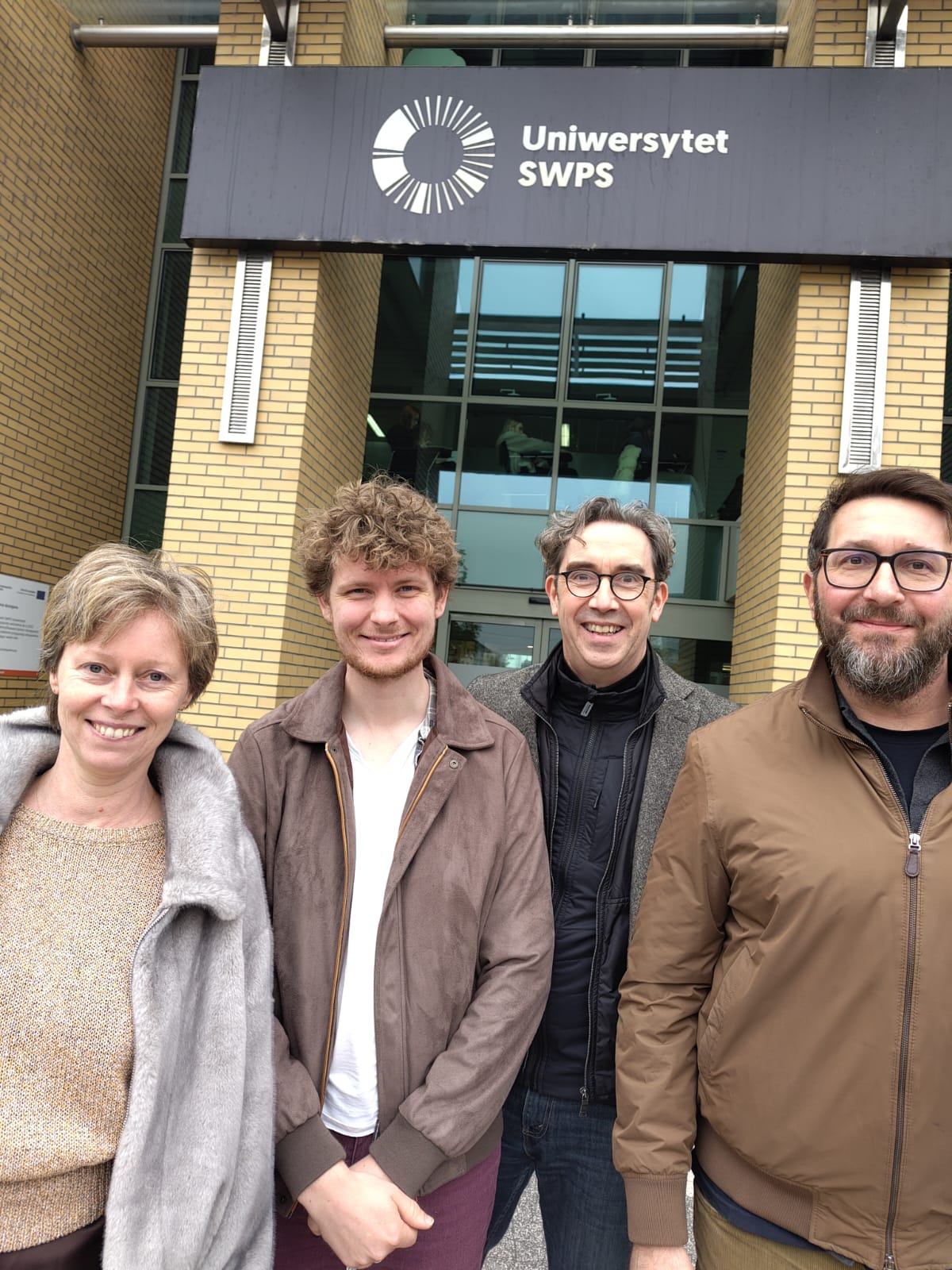
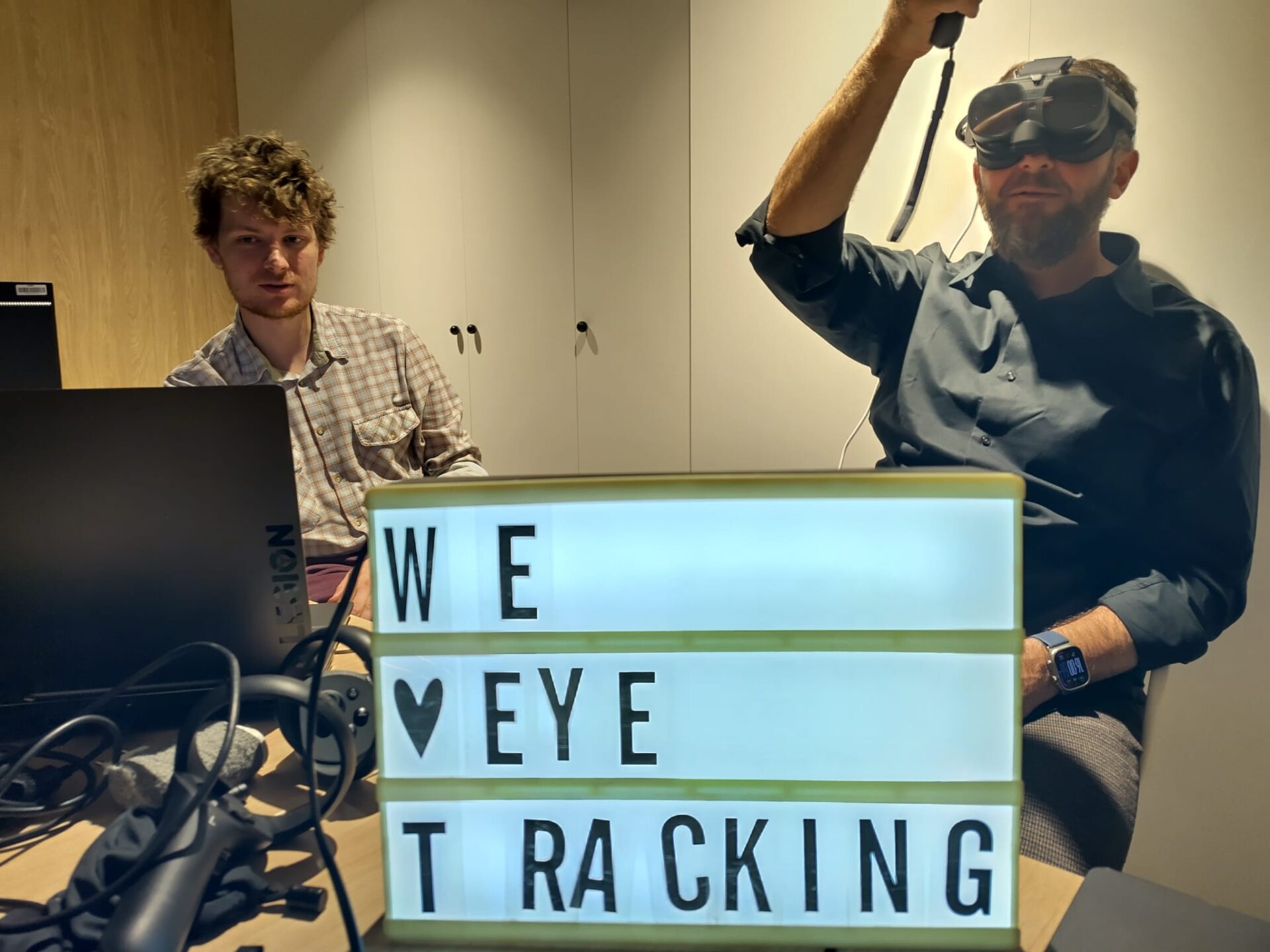
For one week in October, two cost action members from Working Group 1 and 4 had the opportunity to visit Izabela Krejtz at the eye tracking research center at SWPS University in Warsaw, Poland.
Bastian: Eye Tracking Features as Indicators for Spatial Neglect Diagnosis and Training (WG1)
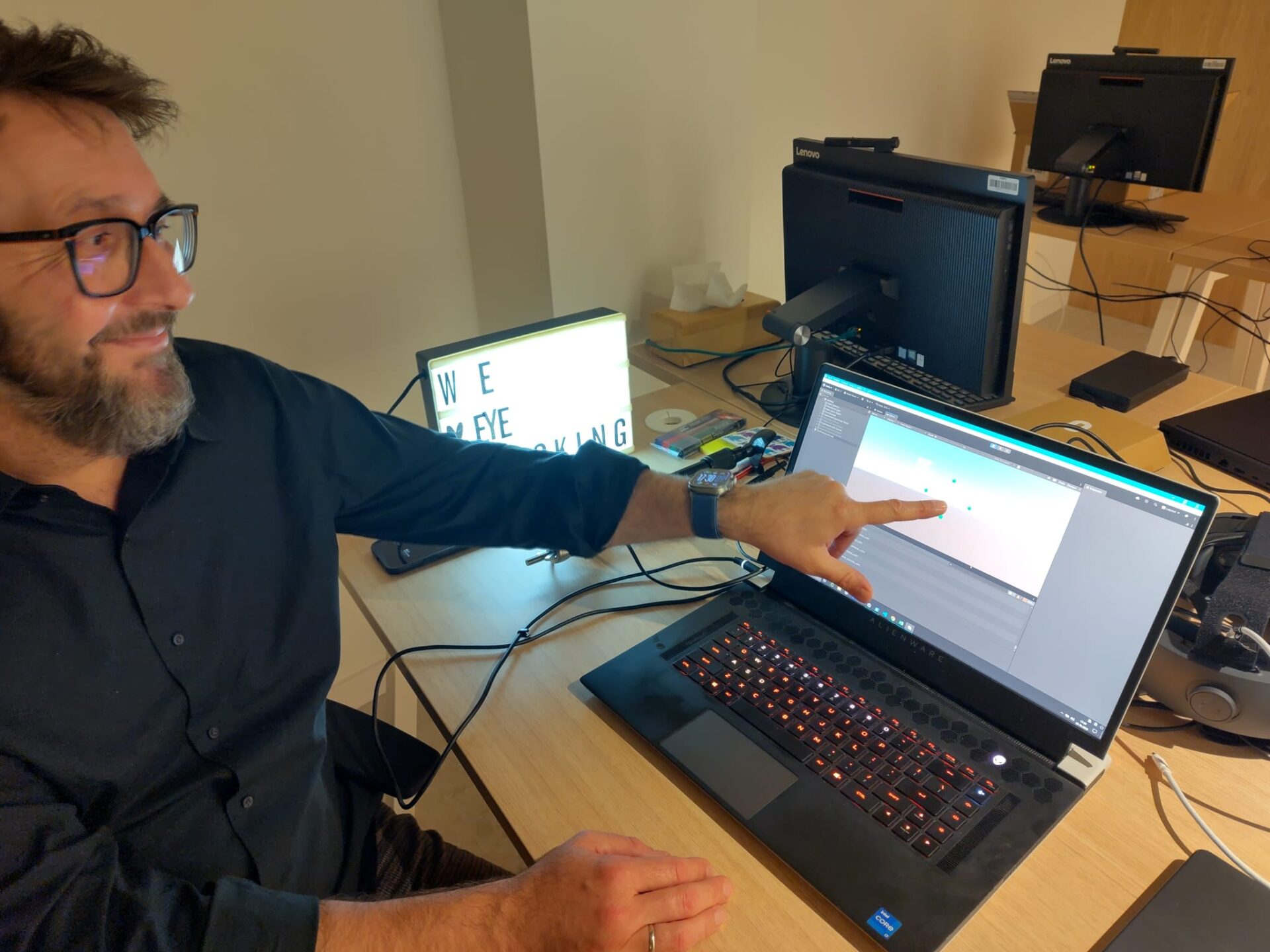
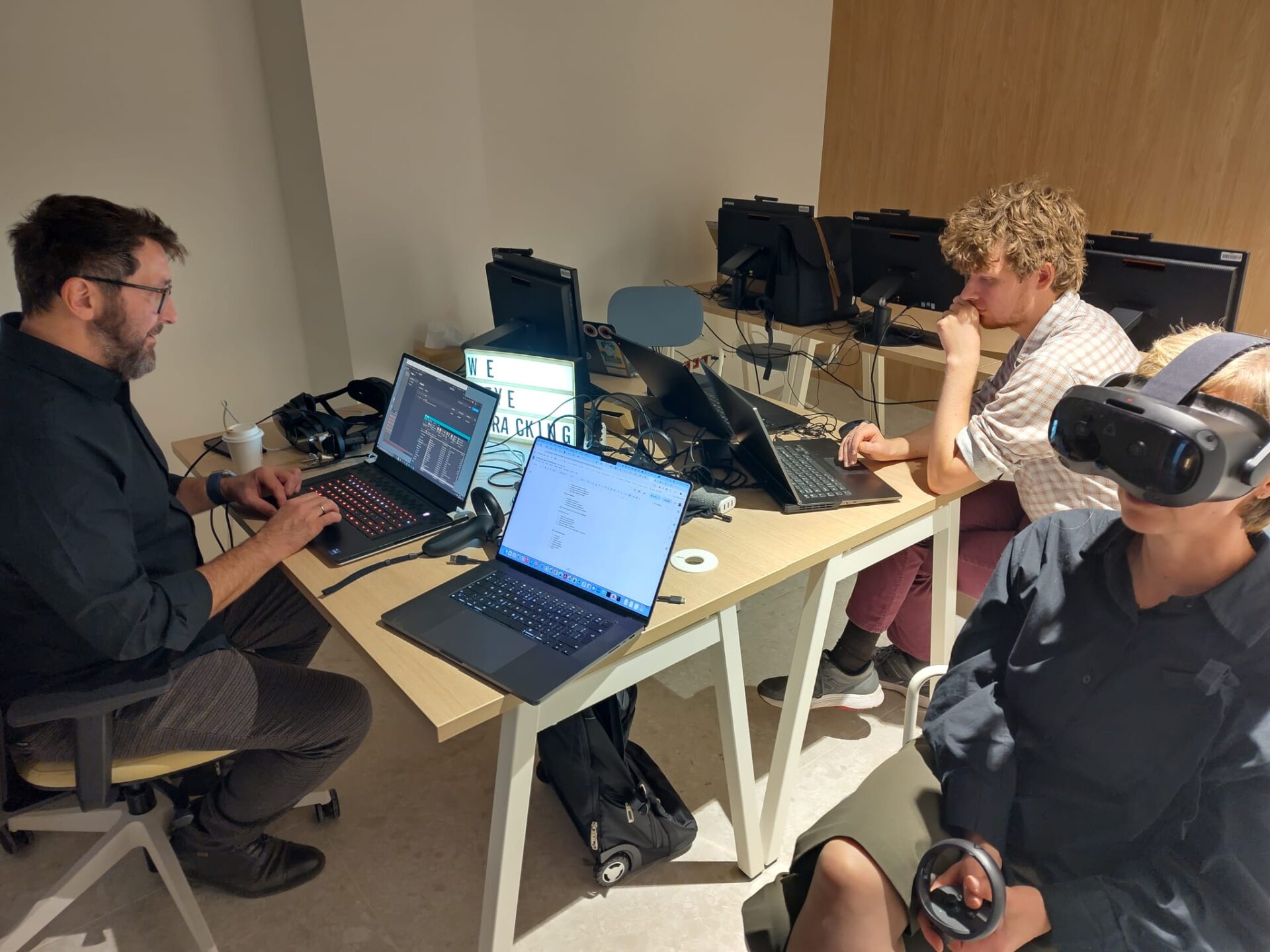
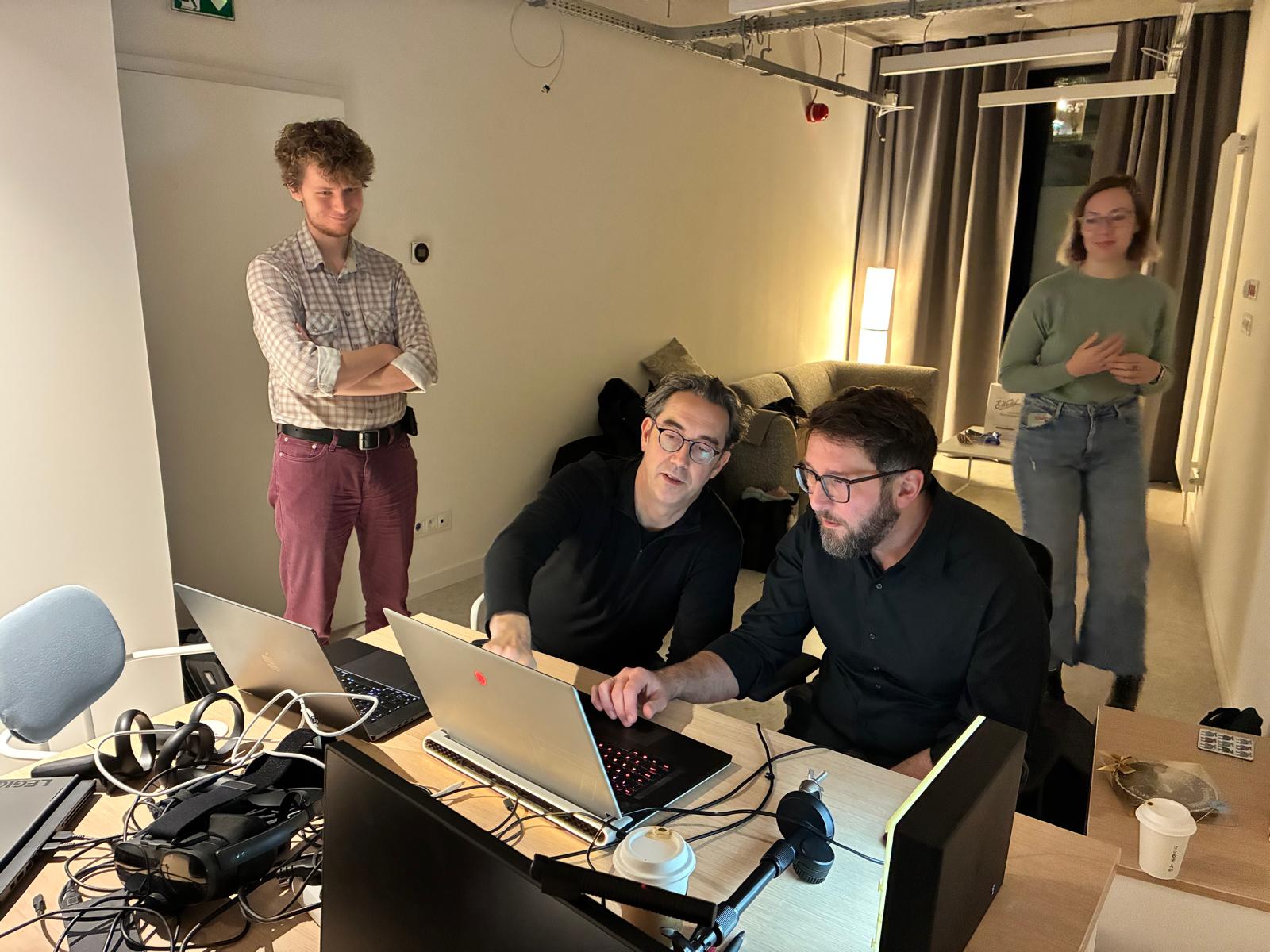
WG1 subteam lead Bastian used the scientific mission to focus on WG1’s literature review of XR tools, particularly how eye-tracking features can serve as indicators of spatial neglect. He collaborated with the hosts on XR eye-tracking tools and discussed synergies between WG1 and WG4 with the hosts and Hendrik. He also explored the clinical use of mobile eye tracking with patients with neglect and tested Whack-A-Mole tasks across two XR headsets. The visit established next steps for patient testing and covered data-processing methods for XR rehabilitation, including calibration, movement analysis, and visualization.
Hendrik: Standardizing eye-tracking data in XR (WG4)
WG4 co-lead Hendrik Knoche (Aalborg University) visited the Eye Tracking Research Center at SWPS University in Warsaw to work with Izabela and Krzysztof Krejtz on making XR eye-tracking data comparable across sites. The team recorded data on two HTC headsets with two software stacks. They found that accuracy drops at the edges of the headset’s field of view, which matters for spatial neglect studies, where targets sit in the periphery. They also confirmed that absolute pupil size cannot be compared across devices. The visit produced a three-tier draft of a minimum dataset (signals and metadata, derived features, constructs), a reporting checklist for calibration and coordinate systems, and a worked example mapping XR and clinical data to BIDS and HED, presented at the WG4 workshops in Izmir.